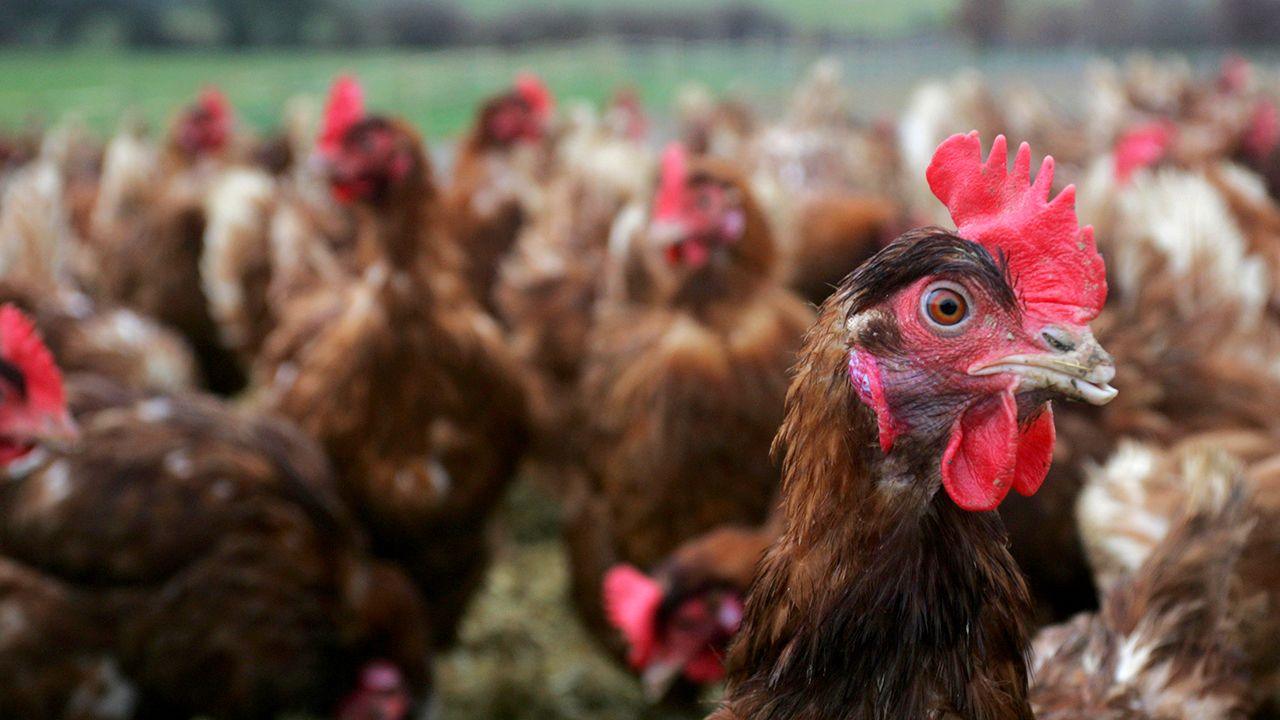
Poultry and captive bird keepers across Wales will have to follow stricter biosecurity rules to reduce the risk of bird flu spreading from wild birds.
It follows changes in England and Scotland, where housing orders were issued earlier this week.
Wales is yet to record an outbreak of the highly infectious disease this year but the number of confirmed cases across the border has escalated in recent weeks.
Any suspected cases must be reported immediately to the Animal and Plant Health Agency (APHA).
Avian flu is a virus that infects birds and sometimes other animals, such as foxes, seals and otters. Scientists say the risk to humans is very low and transmission from birds to humans is rare.
Poultry keepers have regularly faced restrictions since 2014 amid the emergence of new devastating strains of the virus.
Tens of thousands of chickens and turkeys were culled following a spate of cases in mid, west and north Wales in 2025.
It comes as many businesses are preparing for the busy festive period.
The UK government said on Tuesday it did not anticipate an impact on the availability of Christmas turkeys or other seasonal produce for consumers.
The UK Health Security Agency (UKHSA) said the risk to the general public was "very low" while the Food Standards Agency (FSA) said bird flu posed a very low food safety risk and that properly-cooked poultry and eggs were safe to eat.

In a statement on Friday afternoon, Llyr Gruffydd MS, the Welsh government's cabinet minister for rural resilience and sustainability, said the steps would include:
Ensuring the areas where birds are kept are unattractive to wild birds
Feeding and watering flocks in enclosed areas to discourage wild birds
Wild game birds "caught up" during the open season must not be moved for a minimum of 21 days, subject to conditions within the declaration
Ensuring records are kept in line with the conditions within the declaration
Completing the mandatory biosecurity self-assessment checklist within seven days
Keepers with more than 500 birds must take extra biosecurity measures, including restricting access to non-essential people
Gruffydd said he considered the mandatory measures to be "proportionate to the risk level in Wales at this time" but the situation would continue to be monitored closely.
"The risk to human health from avian influenza remains very low and properly cooked poultry and poultry products, including eggs, remain safe to eat," he said.
"We all have a responsibility to protect the health and welfare of our national flock in Wales and prevent disease introduction and spread."