
It is not long since Anna Troup was trotting along the Pennine Way, unable to hold her own head up without her hand due to exhaustion, bum-sliding down summits on questionable terrain and generally suffering in the notoriously gruelling Spine Race.
She was the first woman to finish the non-stop 268-mile (430km) ultra-marathon on 15 January, where she ran through parts of Cumbria, Northumberland National Park, Hadrian's Wall and the Cheviots.
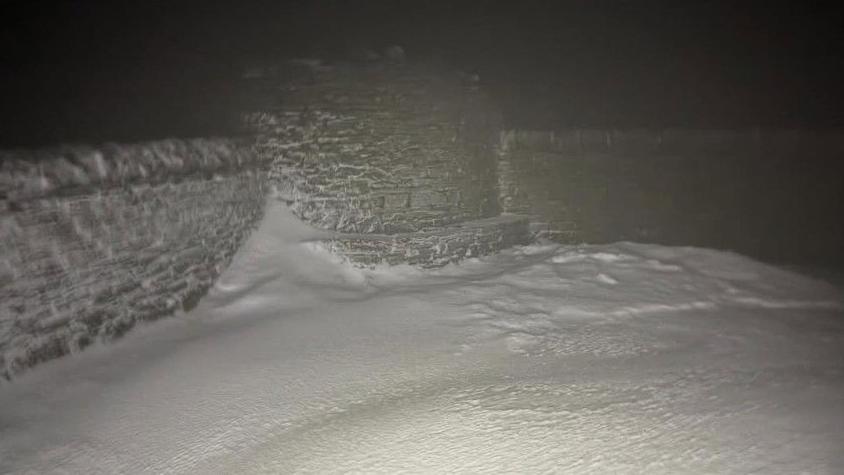
Looking over to the Northern fells as the first snow of the season cloaks the tops, Troup recalls how "terrifyingly alone" she was in parts of the race, particularly up on Cross Fell, where she faced blizzard, white-out conditions.
That isolation is partly what has driven Troup, who lives in Grasmere, to create a platform for women wanting to get into ultra marathons, providing skills and education.
"Ultra marathons are all about those solo moments and it can be really quite scary," Troup said.
"But I didn't realise until after my win that I was such an inspiration to so many women, who perhaps see me - a 56-year-old woman - as just like them, and see they can do this too."
Troup said she has been "incredibly fortunate" to have a partner who taught her navigation and mountaineering logistics, but was "very aware many women did not have the same skills and access".
Alongside "many talented volunteers", she has since built a network of more than 600 women which provides education and supports women to "safely race or simply run any distance, on any terrain at any time of year".

Troup said the network was formed after the Spine Race changed its cut-off time and "women became concerned it would no longer be a race they could complete in".
"We looked at the data and realised they absolutely could complete the race, but they just needed to tweak their approach which requires some additional skills and education," she said.
The stories of Troup and three other women who completed the race - Llinos Proctor, Allie Bailey and Sal Thornton - are being told in a film, called Ultra Women.
Filmmaker Lizzie Jenkins, 32, said the project was about "telling stories about normal women with busy lives who are training for something for mega".

Jenkins said each runner had their own powerful story to tell, from living after alcohol addiction or surviving post-natal depression to themes of positivity and resilience.
"My dad came with me to help with logistics and we slept in the car most nights," said Jenkins, who produced the film.
"One of our best mornings was at Horneystead Farm, near Hexham, where we had a first proper sunrise after some pretty grim weather," she said.

Jenkins said another favourite memory was at "hut two, somewhere on the Cheviots, Anna first got her 'runner's lean'," which is when an athlete starts to tilt after a lot of exertion.
"Even with Anna running bent over, I was still struggling to keep up with her - she's like a gazelle," she added.
Troup joked: "The weird thing about the leans is that, however incredibly ungainly they are, they disappear very quickly... although now it is in technicolour forever."
The leans meant Troup had to hold her head up with her hand for the final 10 miles (16km) of the race.
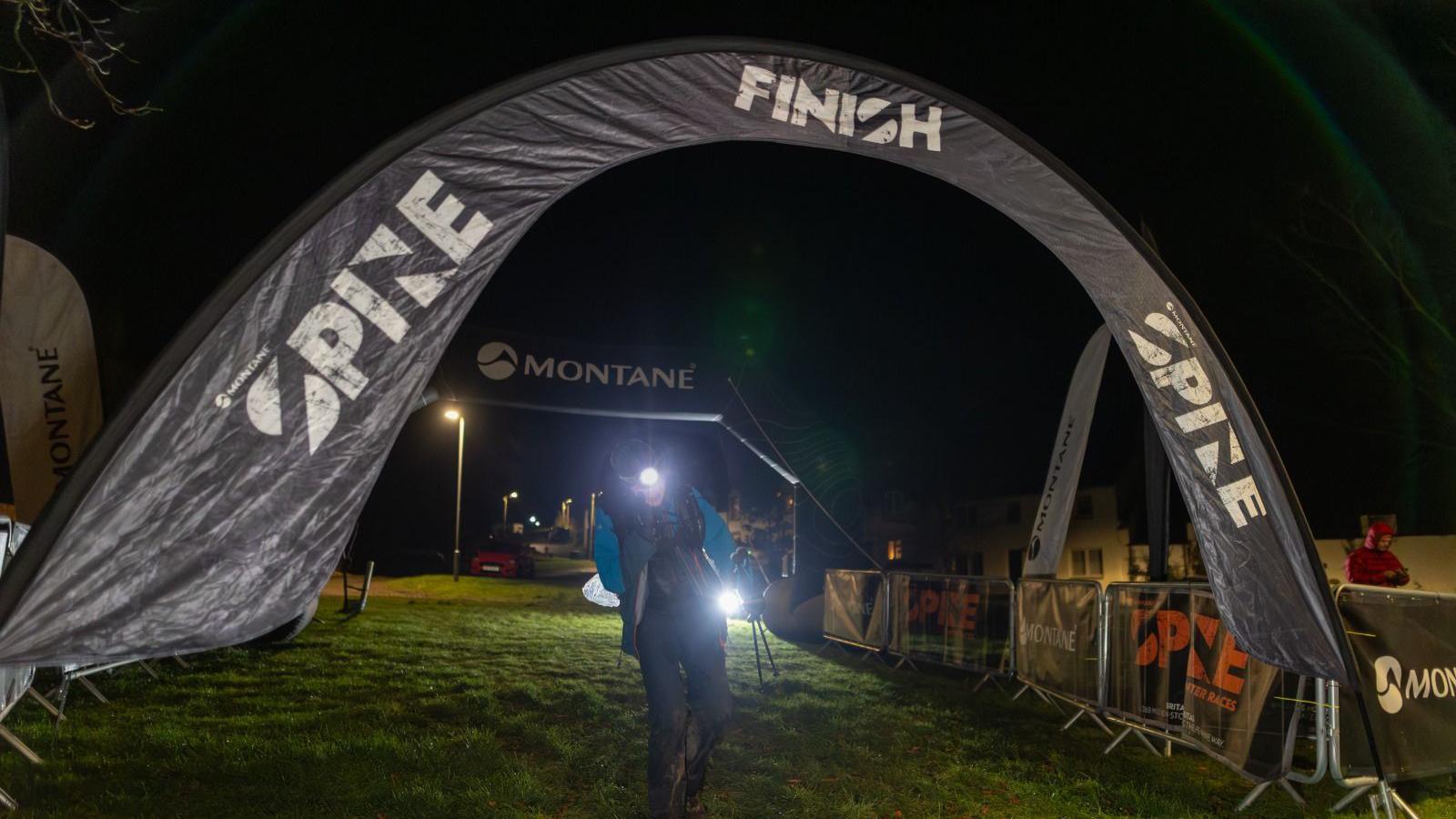
"It was mortifying. Someone at the finish line asked if I had toothache, and I was like 'nope'," Troup said.
The film won the adventure and exploration category last week at Kendal Mountain Festival.
Troup said: "I'm so thrilled. It was the ultimate recognition of the hard work that Lizzie put in."
Jenkins said it was "so cool", adding it "gave her confidence that more and more people were eager to watch more women in sport".
Follow BBC North East on X and Facebook and BBC Cumbria on X and Facebook and both on Nextdoor and Instagram.
Get in touch
Do you have a story suggestion for BBC North East & Cumbria?